Dr. Mushtaq’s argument also framed the debate around a broader principle: sport derives its credibility from the perception that every competitor is subject to the same rules. He highlighted how political agendas can influence sporting bodies, international competitions, athlete participation and public perception, creating circumstances in which sporting merit risks being overshadowed by diplomatic disputes or ideological considerations. In his view, the playing field should remain a space where preparation, discipline, talent and performance determine outcomes. At the same time, he acknowledged the complex relationship between sport and society, where athletes and sporting institutions inevitably operate within wider political and cultural realities. His position was that this reality makes institutional neutrality even more important, rather than less.
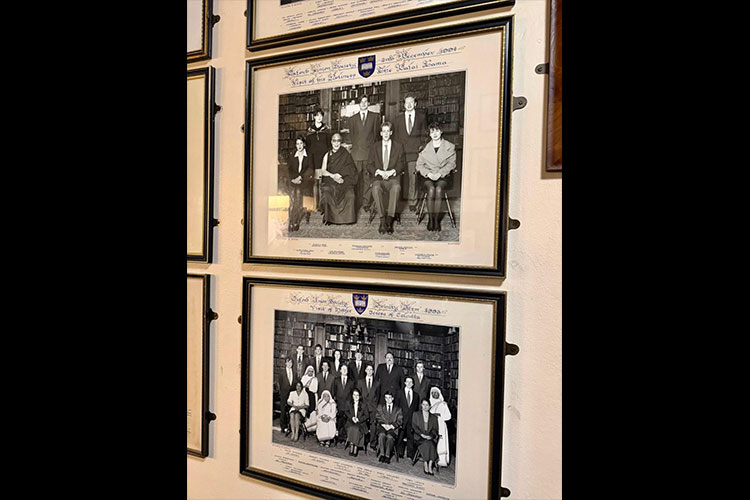
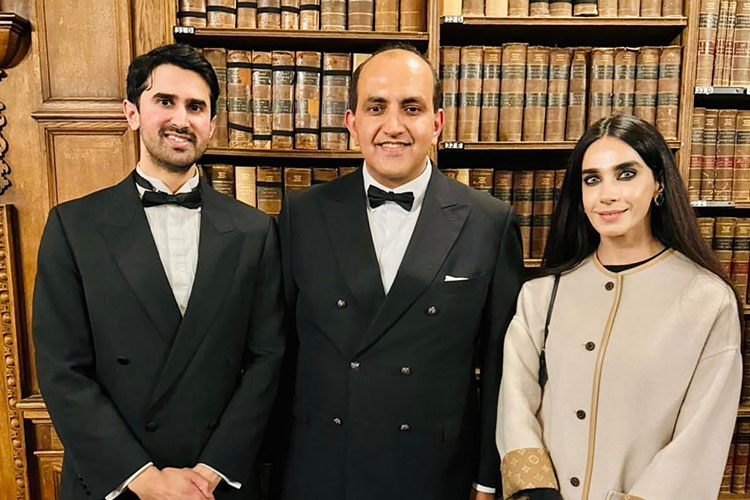
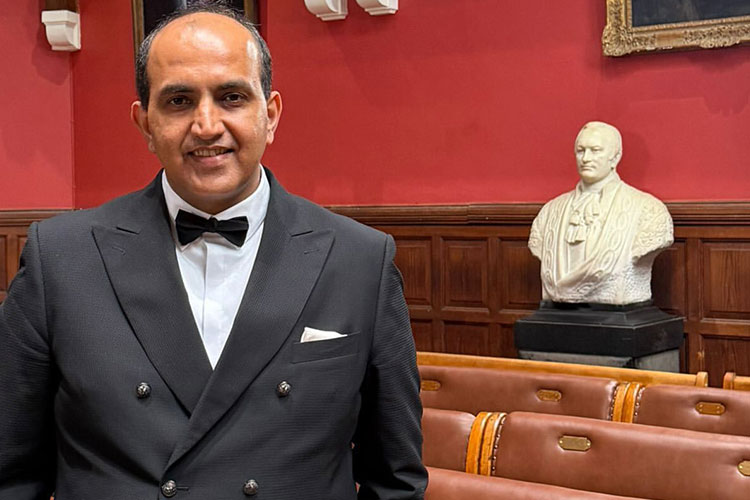
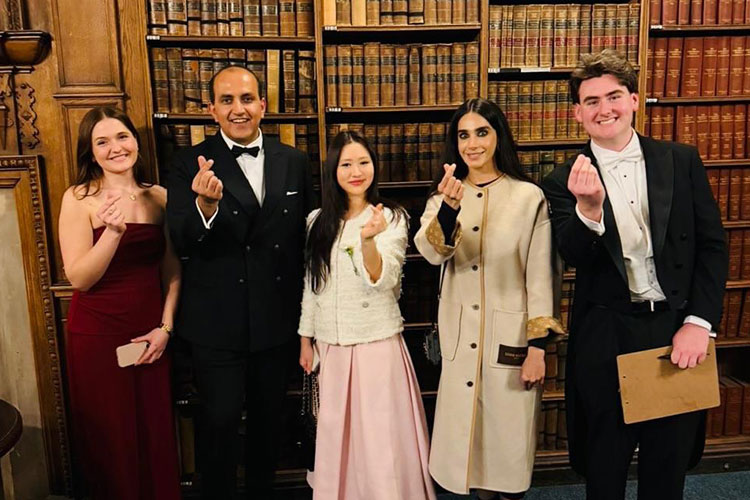
The Oxford Union setting added particular significance to the occasion. Known for hosting some of the world’s most prominent political leaders, thinkers, academics and public figures, the Union provides a platform where arguments are expected to withstand direct questioning and opposition. Dr. Mushtaq’s participation placed a Pakistani education leader within that demanding intellectual tradition, allowing him to present his perspective before an international audience in a format built around open debate. His contribution consequently represented more than a single speaking engagement; it provided an opportunity to showcase Pakistan’s growing educational leadership, intellectual confidence and willingness to participate in global conversations.
For The Millennium Education Group, the appearance also carries institutional significance. An education organization’s reputation is increasingly shaped not only by academic outcomes but also by the intellectual opportunities it creates for students and educators. Dr. Mushtaq’s presence at the Oxford Union aligns with an educational philosophy centered on debate, critical thinking, public speaking and engagement with international perspectives. By bringing a Pakistani voice into one of the world’s most recognizable debating chambers, the occasion connected the institution with values that extend beyond conventional classroom education—independent thought, evidence-based argument, confidence in public discourse and the ability to engage respectfully with opposing viewpoints.
The event also offered a wider message about Pakistan’s place in international intellectual spaces. At a time when the country is often discussed internationally through the lens of politics, economics or geopolitics, appearances such as this create an opportunity to present Pakistan through another dimension: its educators, institutions, ideas and emerging voices. Dr. Mushtaq’s Oxford Union appearance therefore served as a platform not only for his own views on the relationship between sport and politics, but also for representing a more contemporary image of Pakistan, one that is engaged, articulate and prepared to contribute to serious global discussions.